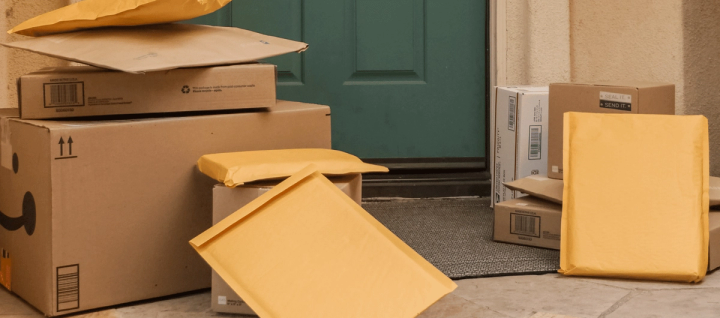
If you're an online seller, the upcoming weeks are some of the most important of the year for your business. Between Black Friday on November 27, Cyber Monday on November 30, and the Christmas shopping season, increasing sales volume is critical. But this is also when small issues can arise and turn into expensive problems.
At Foxquilt, we insure thousands of eCommerce businesses, including Amazon third-party sellers, Etsy artisans, and Shopify merchants. Safe to say, we’re no strangers to understanding what your online business needs to thrive and to be supported and protected, especially during the holidays.
With the holiday rush approaching, here are six areas every online seller should review to help protect their business.
1. Check your marketplace insurance requirements now, not in December
Major marketplaces, like Amazon, have insurance requirements that sellers need to meet to be on the platform. Depending on the marketplace, your sales volume, and the products you sell, you may be required to carry Commercial General Liability insurance and provide up-to-date proof of coverage.
For example, Amazon.com generally requires sellers who exceed $10,000 USD in monthly gross sales to carry commercial liability insurance.
If your policy is no longer valid, or your certificate of insurance has expired or contains errors, you could face compliance issues or restrictions on your marketplace account. During the busiest sales period of the year, that can mean missed revenue opportunities.
Before the rush, take a few minutes to:
- Confirm your insurance policy is active and extends through January.
- Make sure your certificate of insurance lists the correct business name and any required additional insureds.
- Keep an electronic copy of your current certificate readily available.
Our Amazon seller insurance page explains the requirements in more detail. We've also put together a guide on how to upload your certificate of insurance to Amazon.
2. Vet any new supplier or product before it ships
The holiday season is a great opportunity to introduce new products, particularly when demand for trending items increases. But bringing on an unfamiliar supplier or adding a new product category can create additional liability risks.
Maybe the new heated blanket you added to your inventory has a defective electrical cord. If someone is injured by a product you've sold, your business could be named in a liability claim, even if you weren't the manufacturer.
Before adding new products to your inventory:
- Request relevant safety testing documentation and proof of liability insurance from suppliers.
- Review product descriptions, warnings, and instructions carefully.
- Be particularly cautious with electrical products and other higher-risk items.
Product liability coverage is often included in a Commercial General Liability insurance policy, subject to its terms and exclusions. Make sure any new products you're selling fall within the scope of your coverage.
3. Be extra cautious about phishing and online fraud
Online sellers receive a significant volume of emails during the holidays, from shipping confirmations and customer inquiries to marketplace notifications and payment updates.
Unfortunately, fraudsters take advantage of this activity by sending convincing emails designed to look like legitimate communications from shipping companies, payment processors, or online marketplaces.
A fraudulent payout notification or shipping alert can lead to compromised account credentials, unauthorized transactions, or exposure of customer information.
A few simple precautions can help:
- Enable two-factor authentication for marketplace, email, and payment accounts.
- Avoid signing into accounts through links contained in unsolicited emails.
- Limit which employees can update banking and payout details.
Cyber incidents can result in significant costs, particularly if customer information is compromised. Understanding what cyber insurance covers, as well as what it doesn't cover, can help you determine whether your business has adequate protection.
4. Protect your inventory where it actually sits
We've seen many online sellers keep their inventory and stock at their place of residence, whether that's a house, apartment, or rented dwelling.
What some business owners don't realize is that homeowners' and tenants' insurance policies often exclude or significantly limit coverage for business-related inventory.
A frozen pipe that bursts, a burglary, or even a fire could wipe out inventory that hasn't been sold yet. During the holidays, when sellers typically increase stock to meet demand, the potential financial impact can be even greater.
Before heading into peak season:
- Review how much inventory you're holding and where it's stored.
- Confirm that your business insurance covers inventory at those locations.
- If you use a third-party warehouse or fulfillment provider, understand what protection they provide and where their responsibility ends.
If your inventory levels have increased significantly, it's worth checking whether your existing coverage limits are still adequate.
5. Plan for returns and chargebacks before they arrive
While November and December are focused on generating sales and fulfilling orders, January typically brings an increase in returns, refunds, and chargeback disputes.
Having a clear and consistent return policy is important, but so is maintaining proper documentation.
For higher-value orders, consider keeping tracking information, proof of delivery, customer communications, and any other relevant transaction records.
These records can help support your business if a customer disputes a charge or claims an item was never delivered.
Good record keeping and clear customer policies won't prevent every dispute, but they can make resolving them considerably easier.
6. Selling in person this season? Check your coverage
Many eCommerce businesses also participate in holiday markets, craft fairs, and temporary pop-up shops to increase sales and reach new customers.
While these events can be great opportunities, they may introduce risks that aren't automatically covered under your existing insurance policy.
Event organizers often require vendors to provide proof of Commercial General Liability insurance before participating. Some may also require the organizer to be named as an additional insured.
Before attending an event, confirm that your coverage extends to your activities and the location.
For more information, see our guide on whether your eCommerce insurance covers your business at events.
The one-page holiday risk checklist
Before the busiest shopping weeks of the year, make sure you've covered the basics:
- Marketplace insurance: Your policy is active, your certificate is current, and you've met the requirements of the platforms where you sell.
- Suppliers and products: Any new suppliers have appropriate safety documentation and liability coverage.
- Cybersecurity: Two-factor authentication is enabled, and access to sensitive account information is limited.
- Inventory: You know where your stock is located, its approximate value, and whether it's adequately insured.
- Returns and chargebacks: Your return policy is clear, and you're maintaining proper transaction records.
- In-person events: Your insurance meets the requirements of any holiday markets or pop-up events you're attending.
Make the most of the holiday season
Preparing for one of the busiest online retail seasons of the year starts with having a strong marketing plan and campaign in place well in advance. But while growing sales and attracting customers should be a priority, protecting the business you've worked hard to build is just as important.
Taking the time to review your operations, inventory, and insurance coverage can help reduce the risk of unexpected interruptions during peak season.
For additional marketing and operational ideas, check out our guide on preparing for Black Friday and Cyber Monday.
And if your business has grown, you've introduced new products, or you're unsure whether your existing policy still meets your needs, now is a good time to review your coverage.
At Foxquilt, we work to make commercial insurance simpler and more accessible for small businesses — giving small business owners the confidence to thrive and focus on growing their operations.
Explore our eCommerce insurance or get insured in minutes, online.